IN THIS LESSON
Spiritualism and Mediumship · Lesson 4 of 7
The Investigators
The scientists, scholars and conjurors who tried to settle the question. Crookes and Wallace among the believers; the Society for Psychical Research of 1882, telepathy and Phantasms of the Living; William James and Mrs Piper, his "white crow"; the cross-correspondences; the Seybert Commission; Harry Price's laboratory; and Houdini's war on the mediums.
From the first year at Hydesville, people asked to test the mediums. The question seemed to be one that science could answer. If the dead really moved tables, the movement could be measured; if a medium knew what she could not have known, that could be checked. Seventy years of investigation followed, and they ended without the clear answer that either side wanted. This lesson is about the investigators: what they did, what they found and why they disagreed.
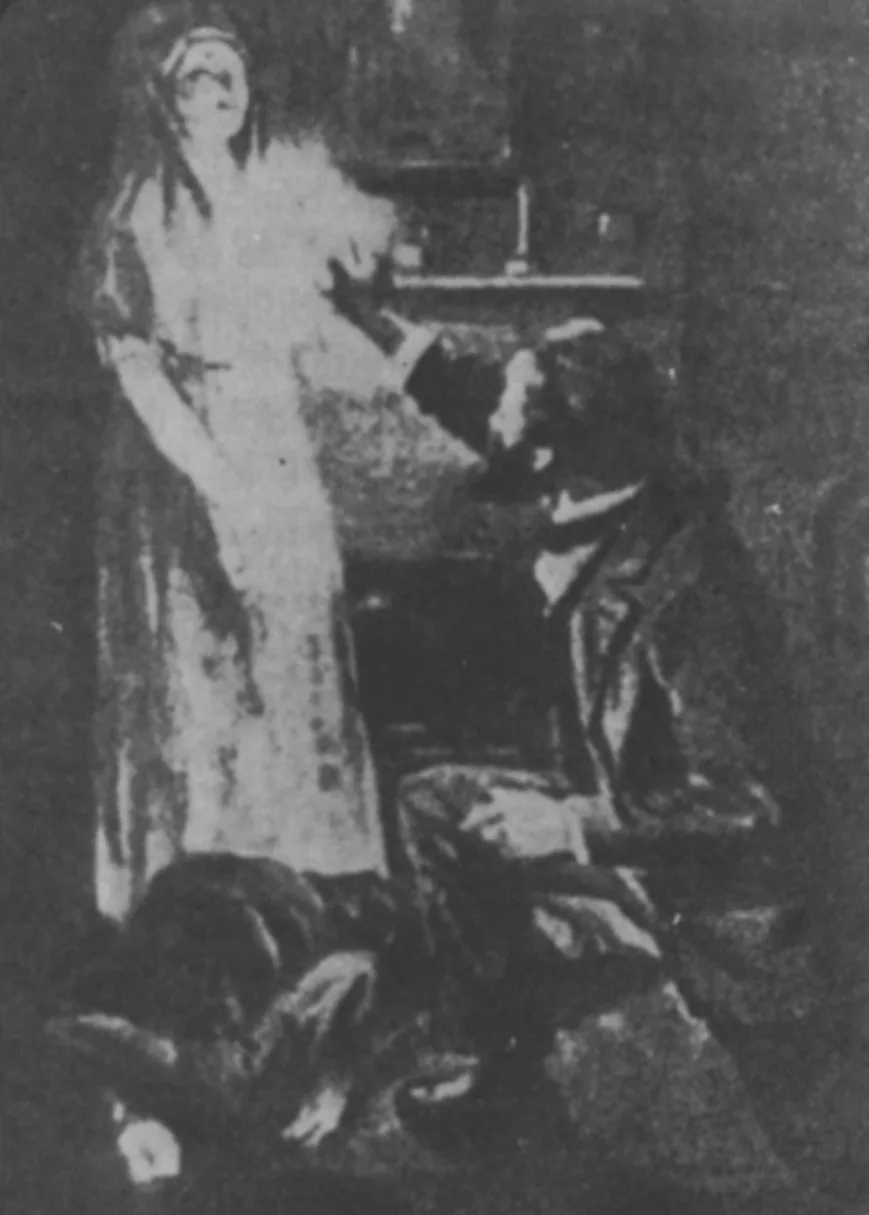
Believing scientists
Some of the most eminent scientists in Britain were convinced. William Crookes (1832–1919), chemist, discoverer of thallium and inventor of the Crookes tube, announced in 1870 that he would bring the methods of science to Spiritualism. He tested D. D. Home with a spring balance and an accordion in a cage, and Florence Cook in his own house (Physical Mediums). The articles he collected as Researches in the Phenomena of Spiritualism (1874) said both were genuine. His colleagues were appalled. Alfred Russel Wallace, who had worked out natural selection alongside Darwin, became a Spiritualist in the 1860s and defended it in On Miracles and Modern Spiritualism (1875). In America the chemist Robert Hare set out in 1853 to expose the tables and ended up a believer.
Critics replied that skill in a laboratory was no protection against a conjuror. A chemist expects his materials to behave honestly; a fraudulent medium does not, and a trained magician knows how to make an expert look in the wrong place.
Lesson 4 of 7 · 16 min
READ THE SOURCE
- Cock Lane and Common-Sense · Andrew Lang, 1894; this text from the second edition of 1896 · free in the Reading Room