IN THIS LESSON
Celtic Magic & Druidry · Lesson 3 of 7
Druids and Seers of Early Ireland
The druí, the fili and the brehon in the Irish laws and tales; Cathbad's prophecies at the court of Ulster; the druids of the Second Battle of Mag Tuired and the healing well of Sláine; Patrick against the druids of Tara and the Deer's Cry; and the poets' arts of seeing — the bull-feast, imbas forosnai and the chewing of the thumb.
Ireland was never conquered by Rome, and there the druids lasted longer than anywhere else — long enough to meet Christianity and to be written about by Christians. Everything we have was set down by monks between the seventh and the twelfth centuries, in the laws, the saints' lives and the great tales. They are not eyewitness reports of pagan Ireland. But they remember a world of druids, poets and seers that the monks themselves still half lived in.
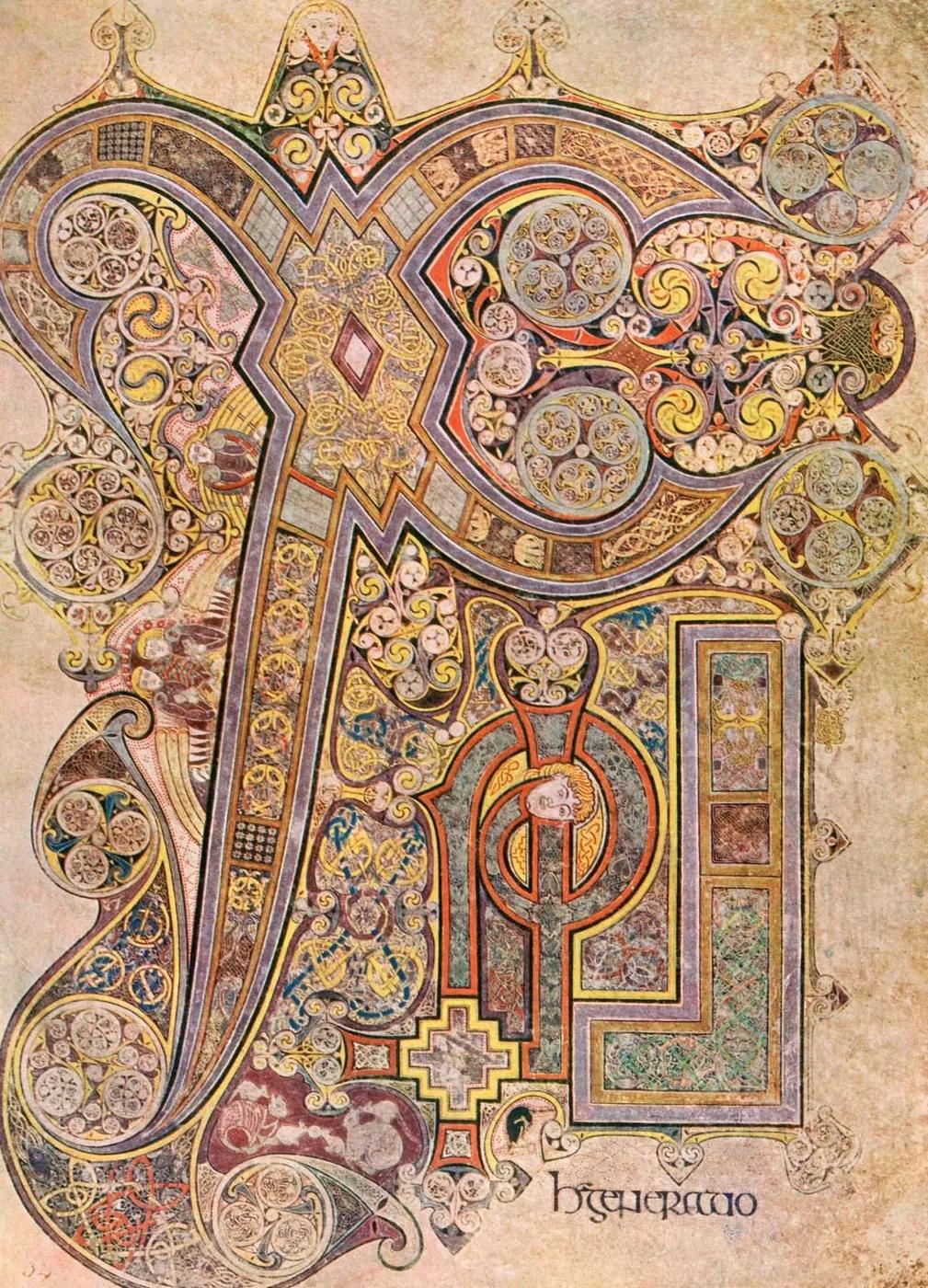
Druí, fili and brehon
The Old Irish word is druí, plural druid, the same word as the Gaulish druids of Caesar. In the oldest Irish laws, of the seventh and eighth centuries, the druid has already come down in the world. He is ranked well below the filid, the learned poets, who had taken over much of what Caesar said druids did: they kept the genealogies and the history, praised and blamed kings, trained for years by memory, and were feared for their words. The brehons (brithem) were the judges. The Church condemned the druids as heathens; it found a place for the filid, who became Christian poets and kept the old learning alive.
So the magic of early Ireland is often the magic of poets, as the next lesson shows. But in the tales the druids still do what druids were remembered for.
Lesson 3 of 7 · 16 min
READ THE SOURCE
- Ancient Legends, Mystic Charms and Superstitions of Ireland · Lady Wilde, 1887; this edition 1919 · free in the Reading Room