IN THIS LESSON
Celtic Magic & Druidry · Lesson 7 of 7
Modern Druidry
The Druids of the twentieth century and after — the solstice at Stonehenge, Ross Nichols and the Order of Bards, Ovates and Druids, the Reformed Druids of Carleton College, Isaac Bonewits and ADF, the Druid Network's charity in 2010 — what Druids do, the tree calendar that was never ancient, the Celtic Reconstructionists, and what the word "Celtic" can and cannot carry.
The revival gave Britain the idea of the druid. The twentieth century turned it into a religion. Today there are Druids in orders large and small across the English-speaking world and Europe, most of them practising a nature spirituality built on the revival's forms, some trying to get back behind the revival to what the sources say. This lesson surveys them, and ends with the questions any honest student of Celtic magic has to ask.
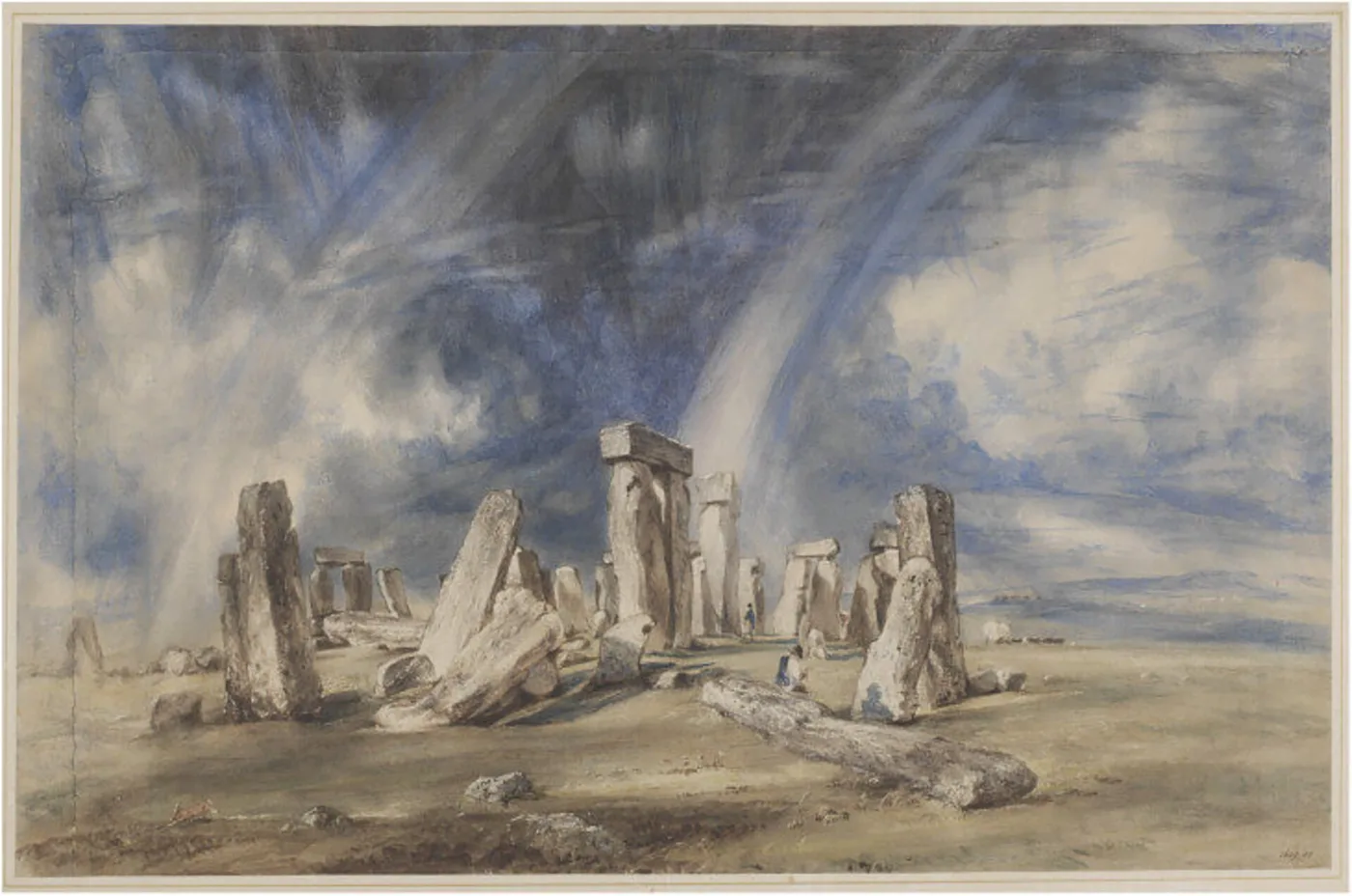
Stonehenge and the solstice
By the start of the twentieth century the druids and Stonehenge were joined in the public mind (the revival). In 1905 the Ancient Order of Druids held a mass initiation inside the stones, and from the early 1900s small druid groups, the best known led by George Watson MacGregor Reid, greeted the midsummer sunrise there in white robes. Through the century the solstice drew larger crowds, and from 1974 a free festival. In 1985 the police stopped a convoy of travellers on their way to it in the violent Battle of the Beanfield, and for years the stones were closed at midsummer. Since 2000, English Heritage has opened them for "managed open access" at the solstices, and Druids celebrate there beside thousands of others.
Lesson 7 of 7 · 15 min