IN THIS LESSON
Wicca · Lesson 5 of 7
The Goddess, the God and the Turning Year
Aradia and Cernunnos in the first Book of Shadows; the Moon goddess and the Horned God, Graves's Goddess of three faces and Frazer's dying lord of the year; Drawing Down the Moon, from the witches of Thessaly to the High Priestess; the esbats, the eight sabbats of 1958, the Descent of the Goddess and the Summerland.
Wicca is a religion before it is a magic, and at its heart are two divine figures and a year that turns between them. This lesson is about what Wiccans worship and when, and where each part of it came from.
The Lady and the Lord
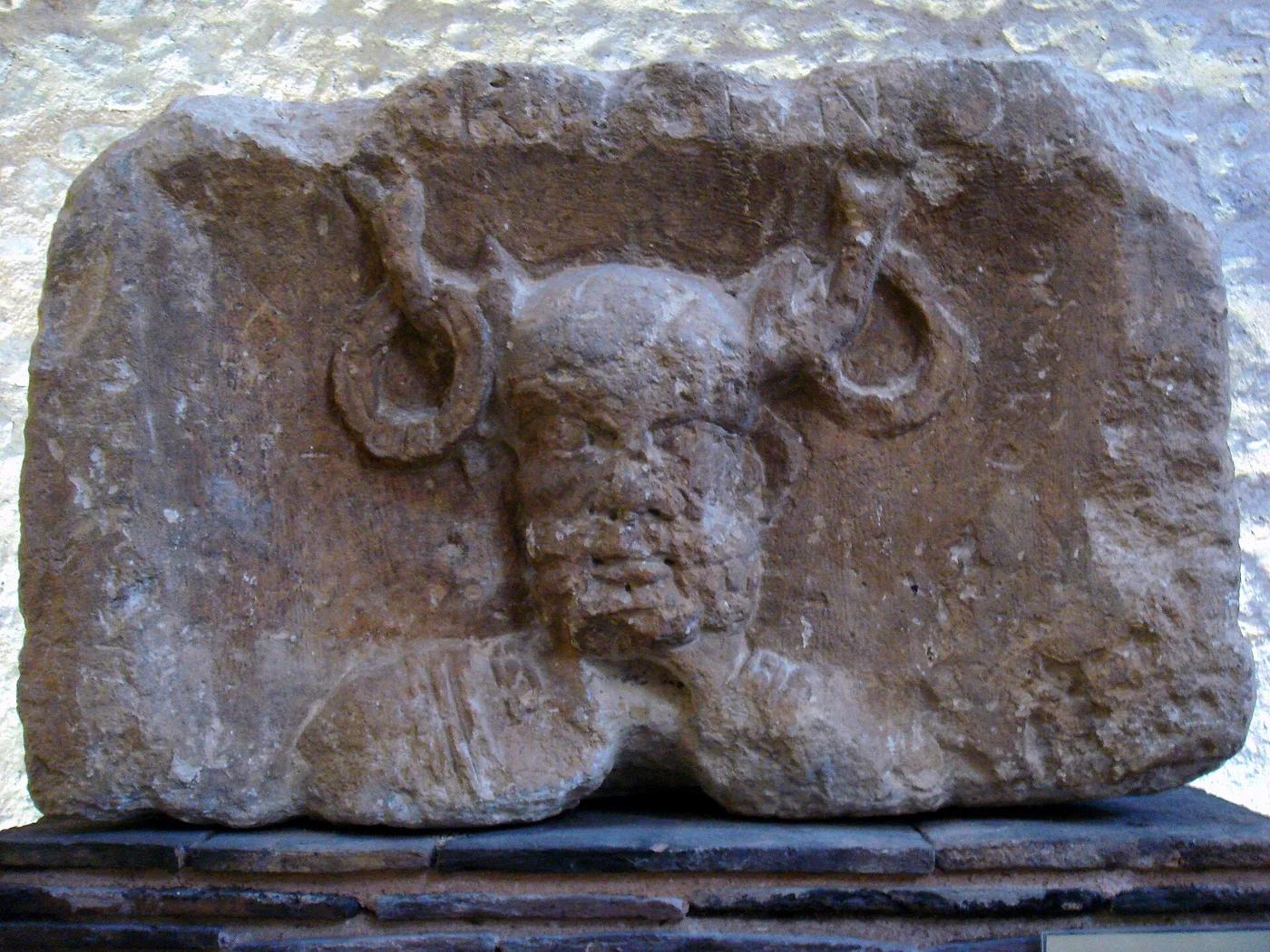
Most Wiccans speak of a Goddess and a God. She is seen in the Moon, in the earth and the sea, the mother of all living things; he is the Horned God of the woods and the beasts, the hunter and the hunted, and in the turning year he is also the Sun, born at midwinter and dying at harvest. Initiatory Wiccans know them by names kept secret within the tradition. The early Book of Shadows called them Aradia, from Leland's gospel, and Cernunnos, the antlered god whose name survives on a single carved stone of the first century, the Pillar of the Boatmen found under Notre-Dame in Paris. Others call them Diana and Pan, or Herne, the ghostly huntsman of Windsor Forest in Shakespeare's Merry Wives of Windsor.
Most Wiccans treat the many goddesses of the world as faces of one Goddess, and the many gods as faces of one God, and so are free to call on Isis or Brigid, Apollo or Odin, as the rite needs. Some hold the two to be real persons, some as images of a single divine power, some as the two halves of nature; Wicca has no creed to settle it.
Lesson 5 of 7 · 15 min
READ THE SOURCE
- Aradia, or the Gospel of the Witches · Charles Godfrey Leland, 1899 · free in the Reading Room
- The Golden Bough · Sir James George Frazer, 1890; abridged edition 1922 · free in the Reading Room