← The Curriculum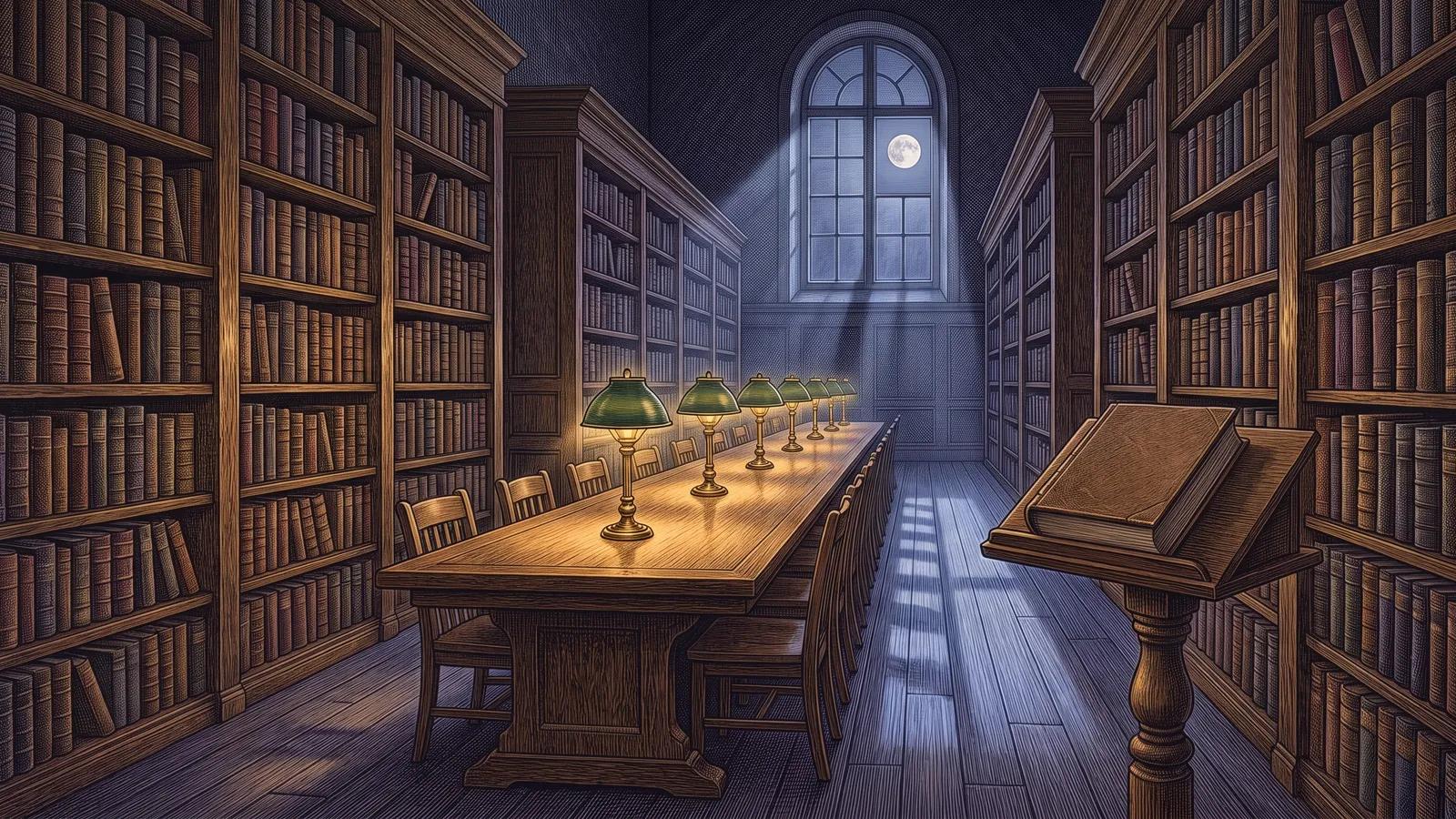
Original AI illustration created for Occultum: an imagined reading room, not any particular library.
Deep Study
Close readings of the classic books
Lecture-length studies that each read one classic book of magic closely, beside its full text in the Reading Room: what it says, chapter by chapter, where it came from, what it changed and how to use it now. The Kybalion, Iamblichus’s On the Mysteries, Agrippa’s natural magic, the Goetia, Waite’s Pictorial Key to the Tarot, and the witch trials in the words of King James and Matthew Hopkins.
6 lessonsabout 3 hours of reading1 free
BY THE END YOU WILL
- Read a primary source of magic closely and in its context
- Tell an old text from a modern one written to look old
- Follow an idea from its source through the traditions that took it up
- Quote and cite the classic texts accurately in your own work
BEST TAKEN AFTER
Not required — but the lessons build on what these teach.
WHERE NEXT
The end of this branch. See the map of the tracks for another.
The lessons
1. Reading The Kybalion — Seven Principles and Where They Came From
A close reading of the 1908 classic beside its full text: what each principle says, the older ideas behind it, and how to use it without mistaking it for an ancient book.
30 minFree2. On the Mysteries — Iamblichus and the Case for Ritual
Why a fourth-century philosopher argued that rites, symbols and strange names do what thinking alone cannot, read through his own reply to Porphyry's hard questions.
30 min◈3. Agrippa's Natural Magic — How the World Is Bound Together
Book I of the Three Books of Occult Philosophy read closely: the three worlds, the elements, hidden virtues, sympathy and antipathy, the planets' rule over things, and the power of words.
30 min◈4. Inside the Goetia — How a Book of Spirits Works
The first book of the Lesser Key of Solomon read closely: the seventy-two spirits and how an entry is built, the circle, triangle and brass vessel, the escalating conjurations, and Crowley's claim that the spirits live in the brain.
30 min◈5. Waite's Key — Reading the Tarot as Its Designer Meant
The Pictorial Key to the Tarot read closely beside the cards: Waite's history and his "secret tradition", the trumps in his own words, what he and Pamela Colman Smith changed, and where his meanings came from.
30 min◈6. The Witch Trials in Their Own Words — King James and the Witchfinder
Newes from Scotland, Daemonologie and The Discovery of Witches read side by side: what the hunters believed, how they built their proofs, and what their own words reveal about the people they accused.
30 min◈