← The Curriculum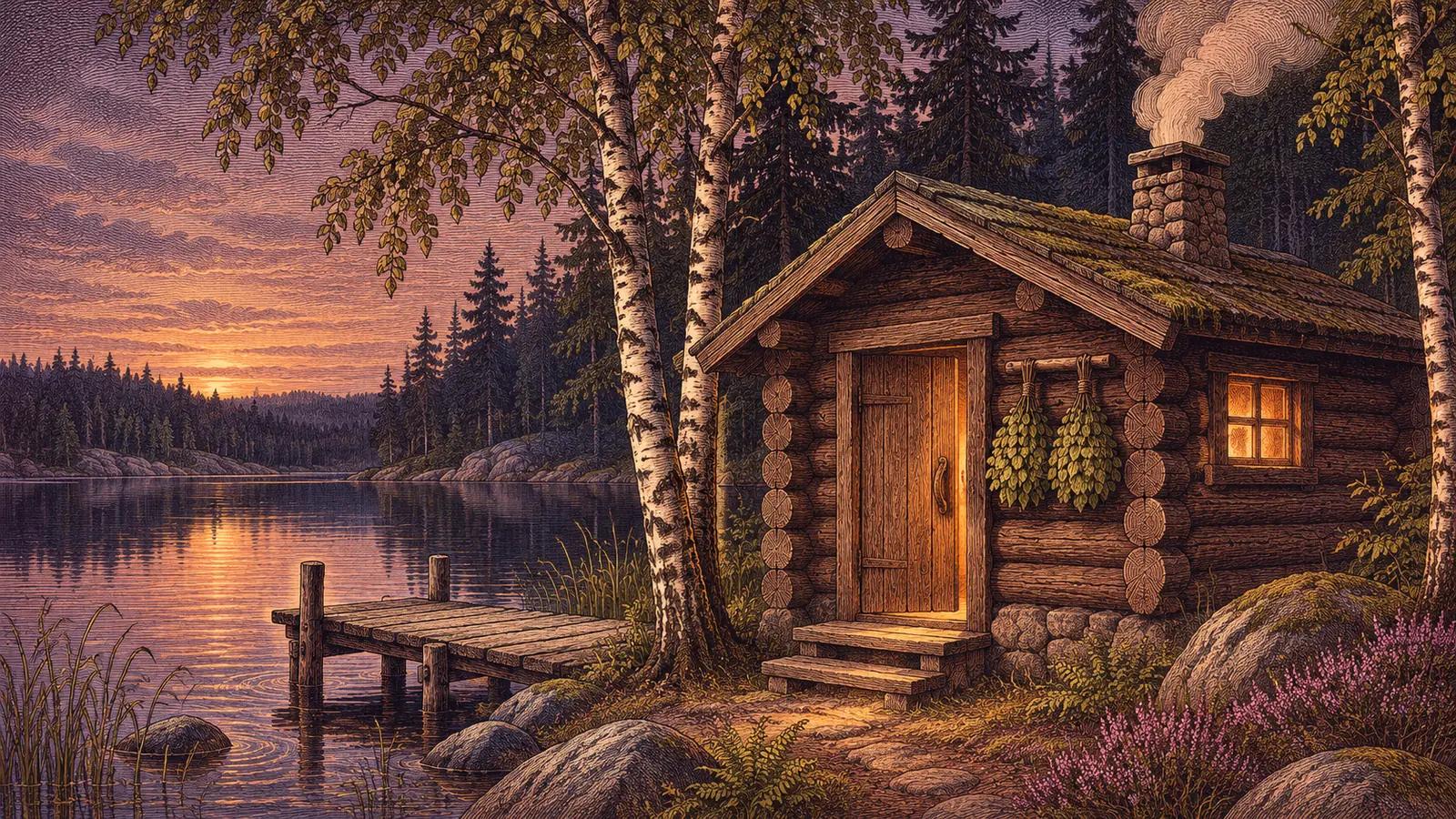
Original AI illustration created for Occultum.
Finnish and Slavic Magic
Charm-singers, spirits and the old gods of the north-east
The folk magic of Finland, Karelia and the Slavic lands: the Kalevala metre, Agricola's list of the old gods, Lönnrot and the singer Arhippa Perttunen, and Väinämöinen the eternal singer; the tietäjä, the noita and the raising of the luonto, the origin charm from the wound of iron to the serpent and the Frost; väki and kalma, the haltija, the sauna, lempi and the bear feast; the old Slavic gods from Procopius to Arkona and the year's festivals; the domovoi, the bannik, the leshii, the rusalki, the unclean dead and the Serbian vampires of 1725 and 1732; the zagovory, the stone Alatyr and the lock on the words; and Baba Yaga, Louhi, the Mari groves and the modern native faiths.
7 lessonsabout 2 hours of reading1 free
Not started yet
BY THE END YOU WILL
- Explain how Finnish magic lived in song, and how the Kalevala was made
- Describe the tietäjä's craft: the luonto, illness from outside and the origin charm
- Know the forces and spirits of the Finnish village: väki, kalma, the haltija, the sauna and the bear
- Say what the sources really tell us about the old Slavic gods, and what is reconstruction
- Name the spirits of the Slavic house, bathhouse, forest and water, and the unclean dead
- Read the parts of a Russian zagovor, and follow these traditions into art and modern religion with care
WHERE NEXT
The end of this branch. See the map of the tracks for another.
The lessons
1. The Singers and the Kalevala
Where Finnish magic is found and how it was saved. The Finnic peoples and their sung poetry in the Kalevala metre; Agricola's list of the old gods in 1551; Elias Lönnrot, the country doctor who walked Karelia collecting songs, and the singer Arhippa Perttunen; the Kalevala of 1835 and 1849; and the heart of the tradition: that magic is song, and that Väinämöinen, the eternal singer, is its first master.
15 minFree2. The Tietäjä
The Finnish and Karelian 'one who knows'. The tietäjä and the noita; raising one's luonto, the inner power, through anger; illness as something that has come from outside and must be sent back; the origin charm and its parts, from the wound of iron to the serpent on the path and the Frost; the pains sent into the stone that does not weep; Ukko, Mary and Christ in the charms; and the healers in the courts of Lutheran Sweden.
17 min◈3. Väki, the Sauna and the Forest
The forces and places of Finnish folk magic. Väki, the impersonal power of the dead, the earth, the forest, water and fire, which could make a person ill; the haltija who guards a farm or a sauna; the sauna as a holy place for birth, healing, love magic and death; Tapio's forest, which could hide a person from sight; the bear, born on the shoulders of the Great Bear and honoured at its feast; and the groves that the church cut down.
16 min◈4. The Old Gods of the Slavs
What we really know of Slavic religion before Christianity, and from whom. Procopius and the god of lightning; Vladimir's six idols at Kyiv in 980 and Perun thrown into the Dnieper; the temples of the Baltic Slavs at Rethra and Arkona, Svantevit's horn and white horse; Helmold's 'black god'; the Zbruch idol; the year's festivals, Koliada, Maslenitsa, Kupala Night and the fern flower, the feasts of the dead; and the debate about 'double faith'.
16 min◈5. Spirits of the House, the Bathhouse and the Forest
The 'unclean force' of the Slavic village. The domovoi behind the stove and how a family took him to a new house; the bannik of the bathhouse, where girls told fortunes at midnight; the leshii who led travellers astray; the vodianoi and the rusalki, the drowned girls of Rusalia week; the 'unclean dead' who could not rest; and the Serbian vampires of 1725 and 1732 who gave Europe a new word.
16 min◈6. Zagovory: The Slavic Charms
The spoken charms of the East Slavs and the people who said them. The znakhar, the whisperer and the koldun; the charm's journey out of the house, across the open field to the sea-ocean, the island of Buyan and the white burning stone Alatyr; the maiden sewing with red silk, the three ravens with golden keys, and the Mother of God plucking a white swan; 'as… so…'; the lock on the words; spoiling and the evil eye; and the charm-writers in the witch trials of Muscovy.
17 min◈7. Baba Yaga and the Old Ways Today
The great witches of the north-east, and what became of the old ways. Baba Yaga in her hut on chicken legs, from Lomonosov's grammar of 1755 to Afanasyev's tales, Vasilisa and the burning skull, and Propp's reading of her as the guardian of the threshold; Louhi, the Mistress of Pohjola; the Kalevala and the Slavic tales in painting, music and Tolkien; the Mari, who still pray in their sacred groves; and the modern native faiths, with a word of caution.
16 min◈